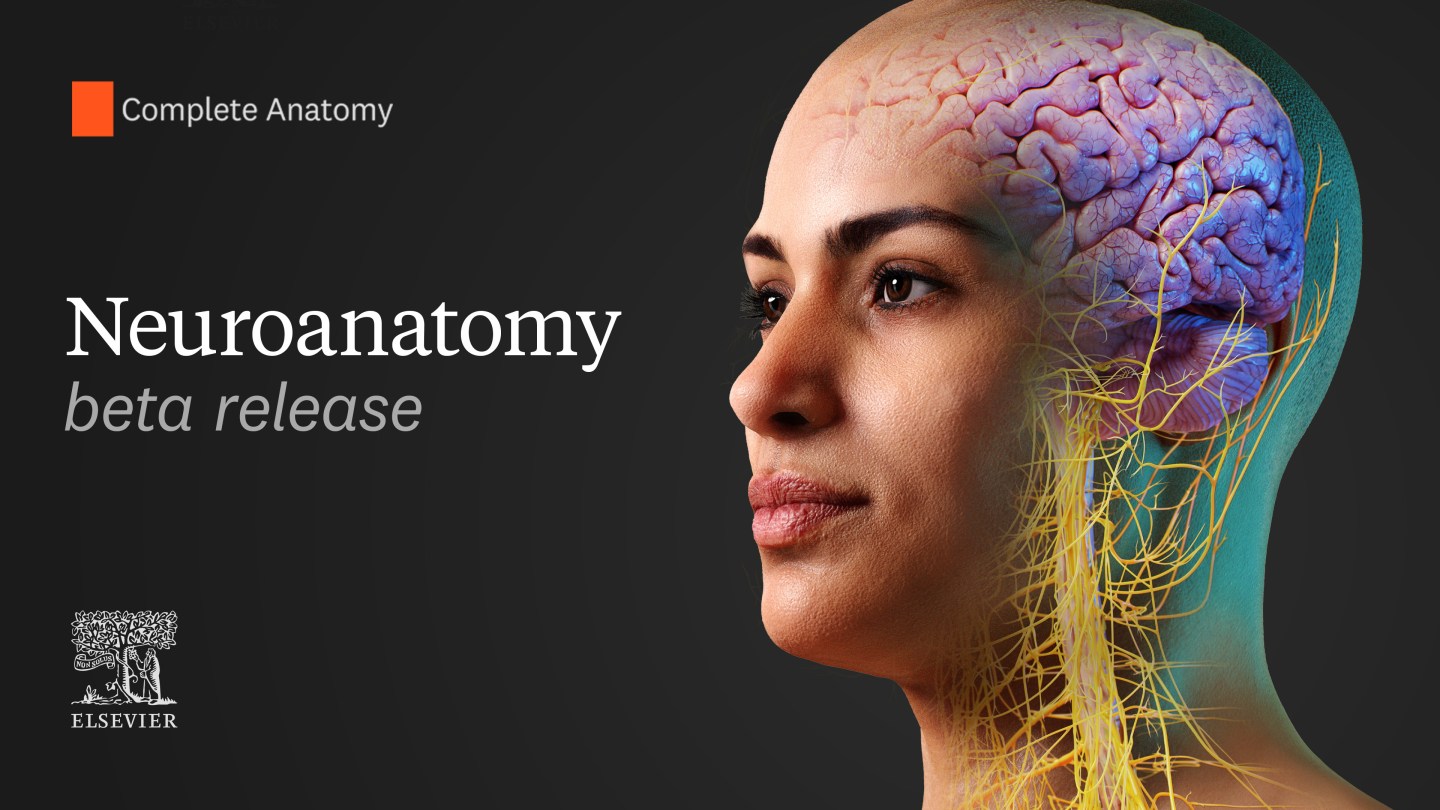

Teaching anatomy requires educators to balance limited lab time, complex spatial concepts, and diverse student learning needs. While cadaver-based instruction remains an essential part of anatomy education, today’s faculty and students are increasingly looking for digital tools that extend learning beyond the lab, improve anatomy understanding, and create more engaging learning experiences.
Complete Anatomy is an award-winning 3D anatomy platform that helps bridge the gap between traditional 2D resources and cadaver-based learning. With highly detailed, interactive male and female anatomical models representing a broad range of skin tones and phenotypes, students can explore anatomy from every angle to better understand spatial relationships and anatomical systems. Rather than viewing anatomy as flat diagrams, students can manipulate 3D models and explore ready made anatomy resources to better understand how anatomical systems connect and function together.
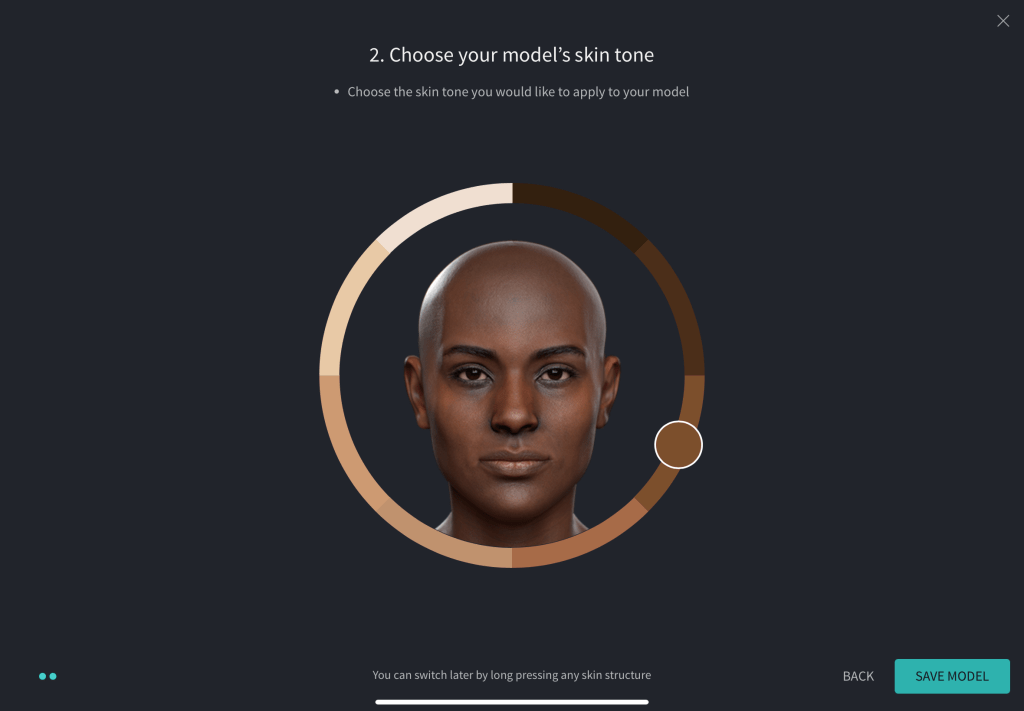
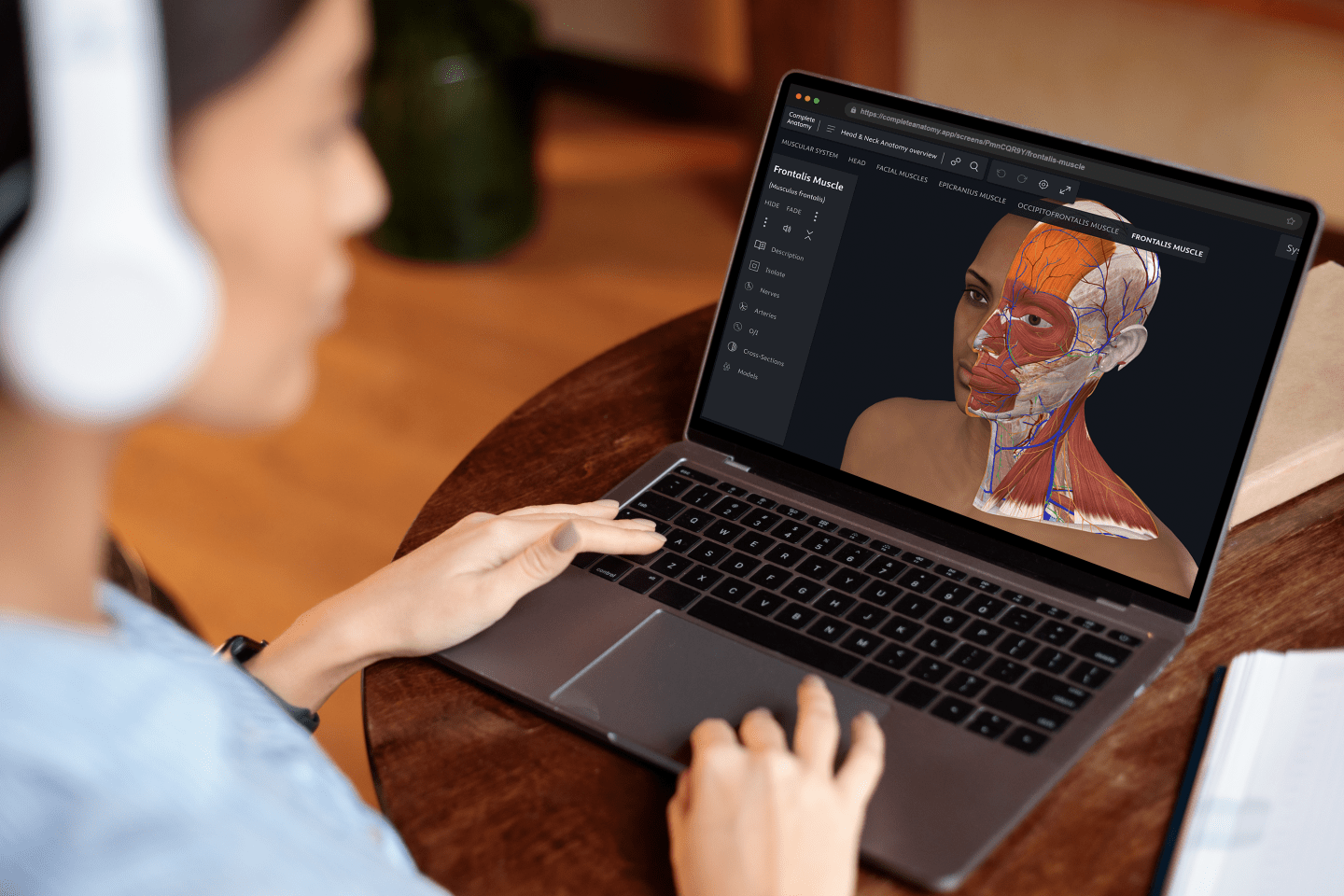
Complete Anatomy complements traditional anatomy education by providing access to high-quality anatomy resources anytime, anywhere, allowing learners to review structures before class, compare 3D models to cadavers in lab, and revisit challenging concepts after class to reinforce knowledge.
Prime anatomy learning before lecture or lab
One of the biggest challenges educators face is ensuring students arrive at lab with enough foundational knowledge to make the most of limited hands-on time. Complete Anatomy can be used to prime learning before a lecture or lab by introducing key anatomy concepts through expert-created educational resources and customizable teaching materials.
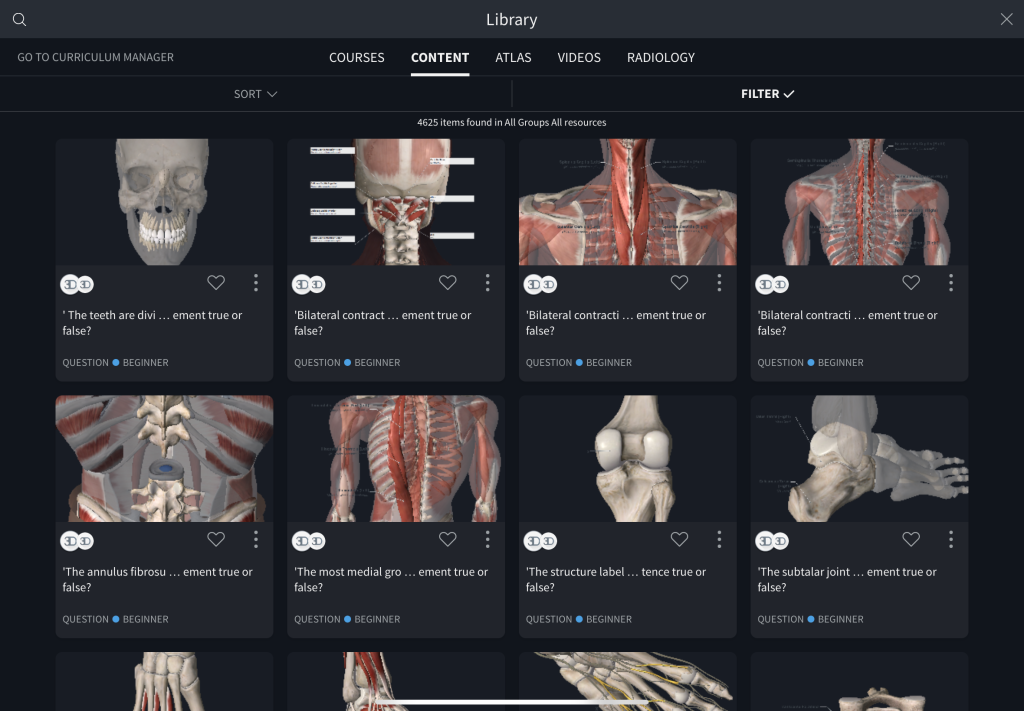
Educators can choose from a comprehensive library of curriculum-aligned anatomy content developed by world-renowned experts. Ready-made courses, lectures, and learning resources cover anatomy alongside clinical topics such as conditions, diagnostics, treatments, and prevention, giving students valuable context before they enter the lab.
For educators who prefer a more tailored approach, Complete Anatomy makes it easy to create custom 3D views that align with specific learning objectives, specialties, or learner levels. These customized resources can be shared instantly using Deep Links and embedded directly into syllabi, learning management systems (LMS), lab manuals, or other digital course materials.
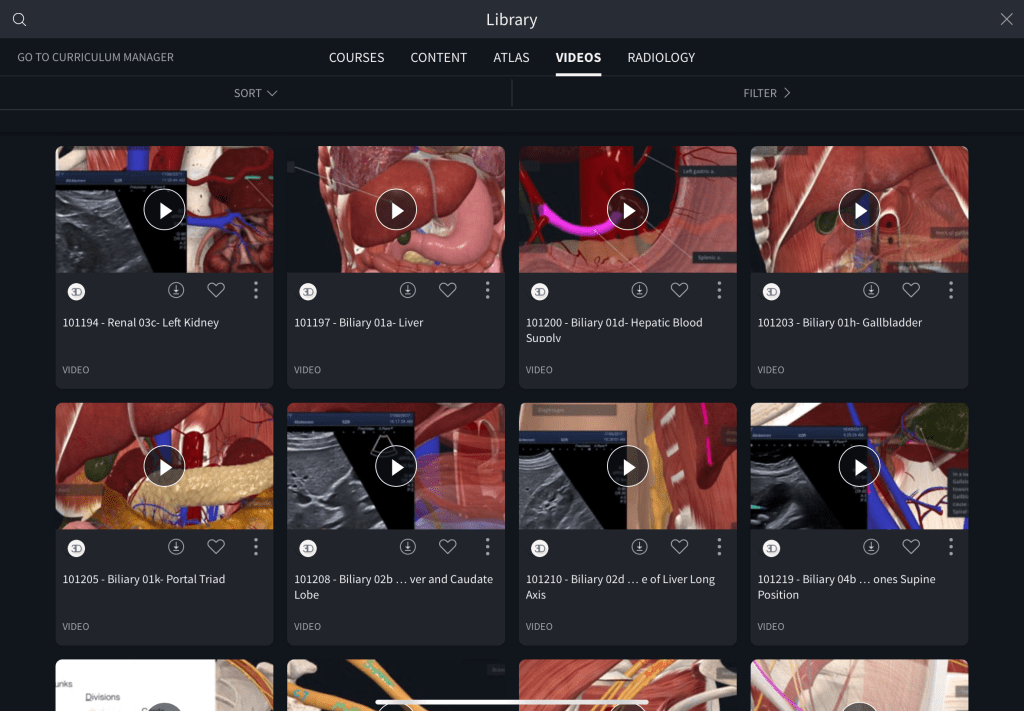
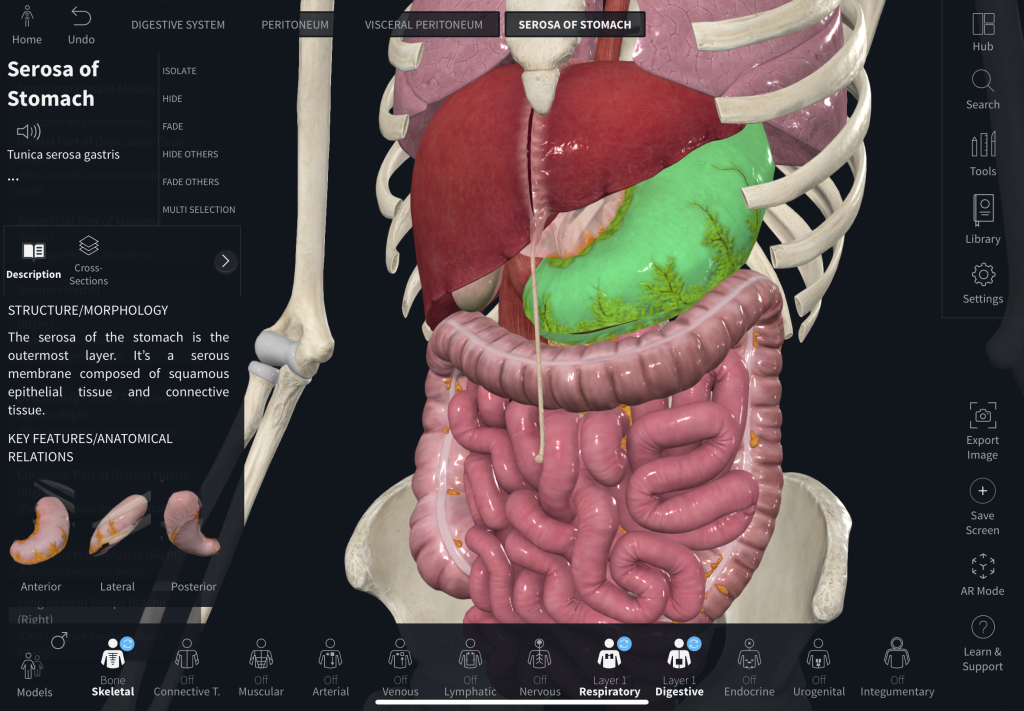
By providing structured pre-lab resources, students arrive with stronger baseline knowledge, reducing cognitive overload during dissection and allowing instructors use lecture and lab time for interactive exploration and real-world application. It also creates greater consistency across cohorts by helping ensure all students begin lab with similar levels of preparation.
Turn lectures and labs into more interactive learning experiences
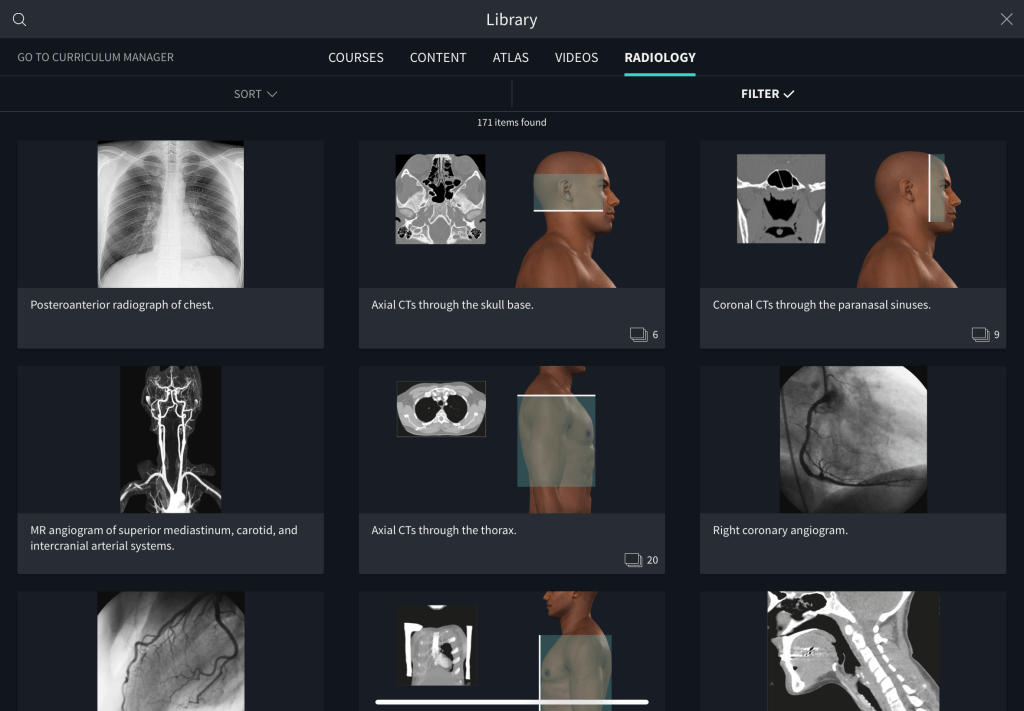
Anatomy is inherently three-dimensional, yet many traditional teaching resources remain two-dimensional. Complete Anatomy helps bridge this gap by allowing educators to demonstrate complex anatomical relationships through interactive 3D models that students can visualize from every perspective.
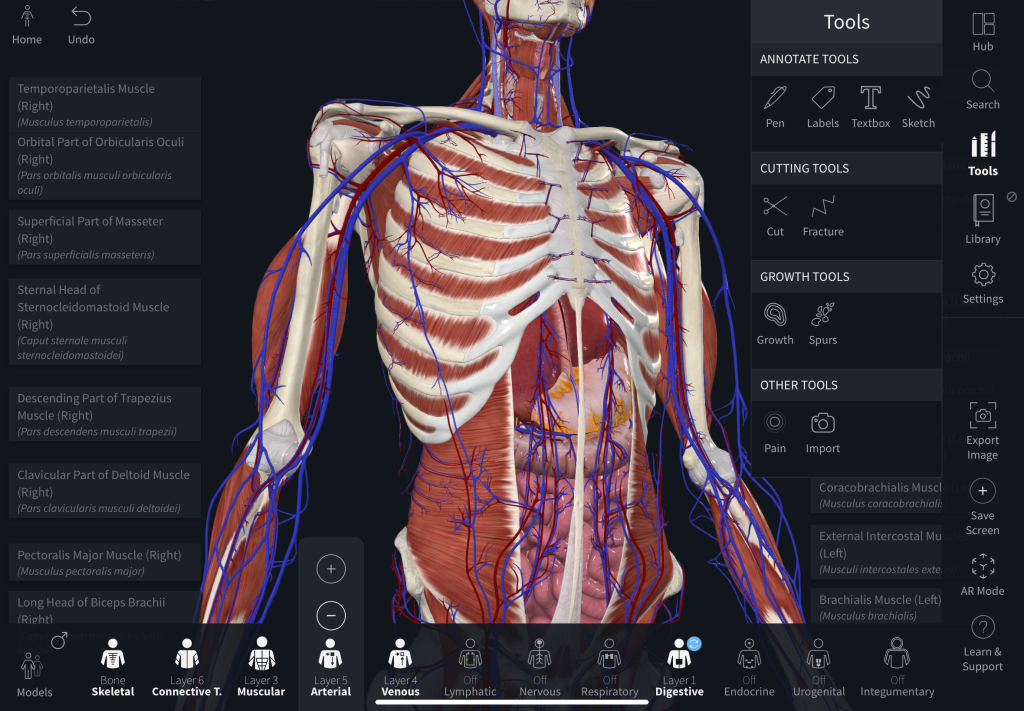
During lectures, instructors can manipulate anatomical structures in real time while sharing their screen, creating a more dynamic learning experience than static slides alone. More than 10,000 selectable structures across twelve body systems can be revealed and manipulated to illustrate bone mapping, muscle motions, blood supply, and more, helping students better understand how different anatomical systems relate to one another.
The platform also complements cadaver-based instruction by allowing students to compare anatomically perfect 3D models with real cadaveric specimens. With lab time often being limited, students have to share cadavers and opportunities for independent exploration can be restricted. Additionally, cadaver anatomy naturally varies due to age, pathology, preservation, or anatomical variation, making comparisons helpful when learning to recognize important structures that may be difficult to identify during dissection.
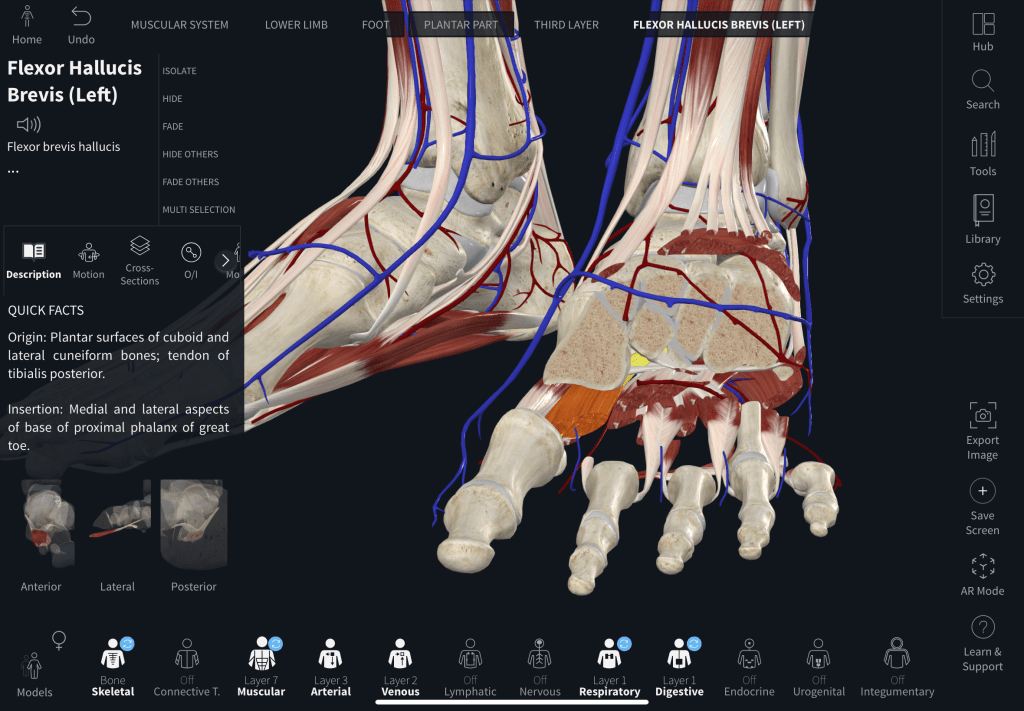
This combination of digital visualization and hands-on learning encourages richer classroom discussion, supports more effective demonstrations of spatial relationships, and helps students connect theoretical knowledge with real anatomical observations.
Extend learning after class
Learning anatomy doesn’t stop when lab ends. Retaining complex anatomical knowledge requires repeated exposure, active review, and opportunities for independent exploration. Complete Anatomy supports this ongoing learning by giving students continuous access to interactive models, learning resources, and quizzes that support what they have been taught.
Available across desktop, tablet, and mobile devices, the platform allows students to study wherever and whenever it fits into their schedule. Whether reviewing before an exam, revisiting difficult structures after class, or preparing for future coursework, students can return to Complete Anatomy whenever they need reinforcement.

Interactive assessments and immersive review activities encourage active recall rather than passive review, while flexible learning paths allow students to focus on the concepts they find most challenging. This self-directed approach aligns naturally with proven learning strategies like spaced repetition, helping strengthen long-term retention over time.
If your institution offers both Osmosis and Complete Anatomy, students can study more efficiently with Complete Anatomy content built directly into their Osmosis Study Schedules
For educators, this continuity creates a more connected learning experience. Students move seamlessly between classroom instruction, cadaver lab, and independent study using consistent visual models and learning resources, reinforcing concepts across every stage of anatomy education.
Conclusion
The most effective anatomy education combines expert instruction, hands-on experience, and opportunities for students to continue learning beyond the lab. Complete Anatomy supports all three by giving educators powerful tools to prepare students before class, enrich teaching during lectures and labs, and reinforce learning long after instruction ends.